Made of code.
And conviction.
Creating a game is an evolving conversation between visual storytelling, engineering, design and testing. Our first project is an independent browser-based action-defense game in active pre-release development.
An entire world
behind a ward.
The Last Warden is built around character-specific gameplay, tactical abilities and environmental encounters. Heroes confront dangerous roads before entering optional world-boss lairs.
01Hero identity+
Corin, Wren and Liora represent warrior, ranger and caster play styles. Each has distinct combat actions and tactical pressures.
02Companions and rescue+
Pets accompany players; rescued helpers and Guardians can shift encounters. Region-specific allies such as Nera Skywright and Nessa Coilhand offer counters to major boss mechanics.
03Enemy behaviors and bosses+
Enemy tribes are designed around recognizable combat behaviors, from shield formations to fungal field control and mechanically driven foundry hazards.
04Progression and return+
Waves, earned rewards, abilities, boss runes and persistent journeys make each decision part of a wider campaign.
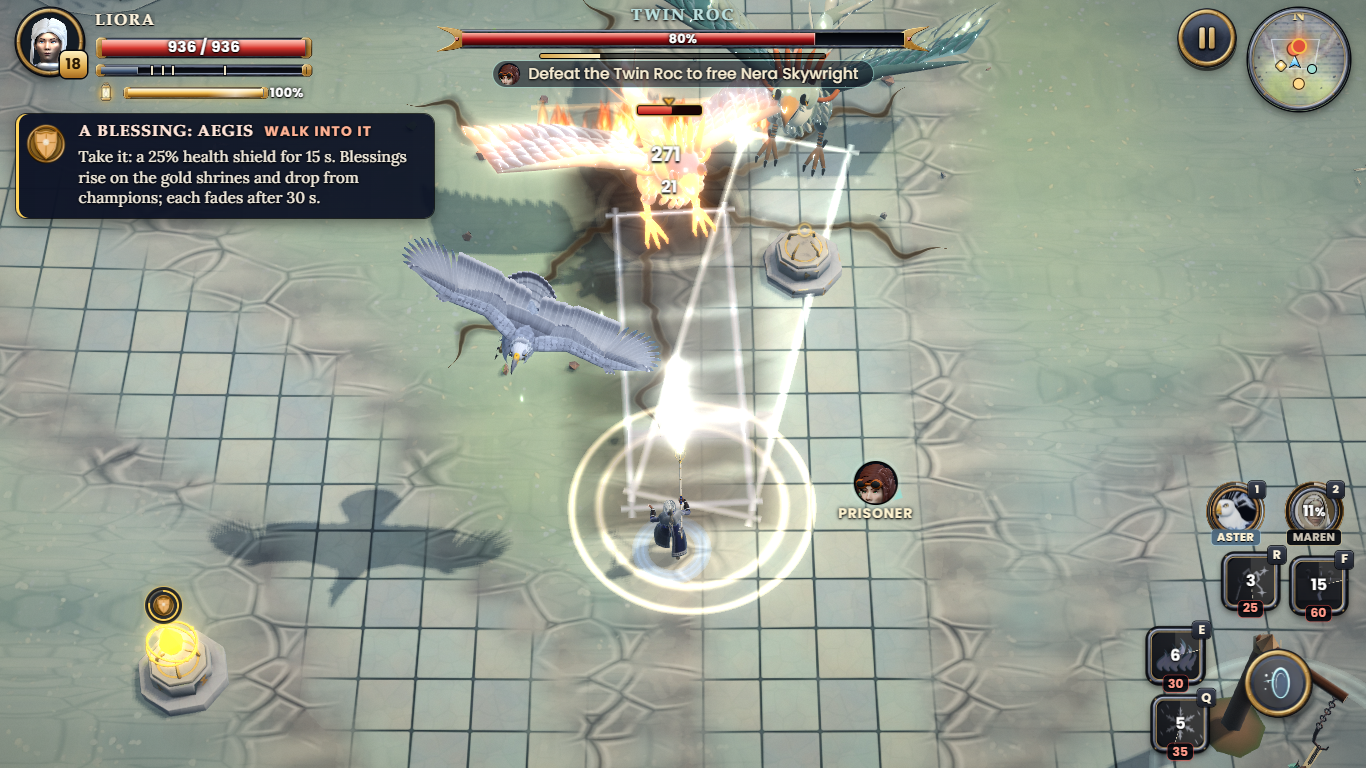
Actual game-engine capture · development build 0.3.0.
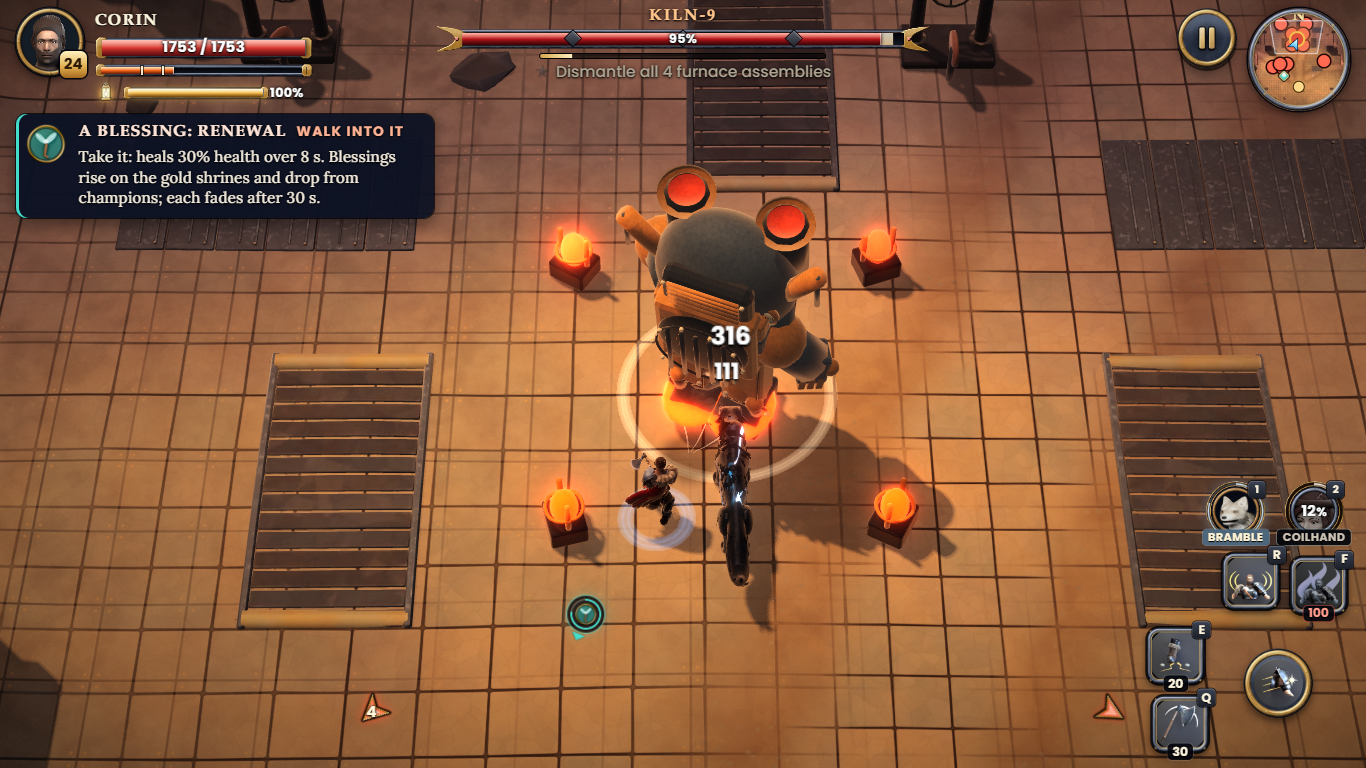
Ideas become systems.
The project uses authored 3D art and game resources, browser runtime engineering and structured validation. Real build handoffs record what was changed, what passed and what remains unresolved.
Intelligence as
a tool, not a claim.
We use Anthropic's Claude in engineering workflows. It has supported problem investigation, programming assistance, planning, code review and iteration across a growing game project.
Human-led creative direction, source code, native asset tools and hands-on verification remain essential.
Read the real build history ↗01Currently in use+
Codebase investigation, debugging assistance, change planning, documentation, review and technical iteration. The Last Warden is a real game project, not merely a prompt-driven concept.
02What testing already involves+
Structured release checklists, local browser captures, unit/system gates, campaign testing and documented remaining defects. Automated results are treated as evidence for tested paths, not universal certification.
03What we want to explore+
Repeatable Claude API-assisted QA triage, gameplay balance analysis and measured agent workflows with clear cost and validation controls. These integrations are plans, not advertised production features.
A work in progress.
A real one.
Build X3 / version 0.3.0 includes a local playable development campaign through five regions. It is not yet a public commercial release, and some broader verification and device checks remain. This distinction is part of our development discipline.